
Organic traffic growth remains the most sustainable and cost-effective growth channel for businesses in 2026, yet many brands still struggle to move beyond page two of search results. That’s where we come in. We make it our job at Witthaya Digital to help businesses build lasting visibility, rather than chasing short-term gains that become obsolete with the next algorithm update. The reality is that top-ranking websites are following a deliberate, data-driven approach that blends technical excellence, strategic content, and a deep understanding of user intent. Let’s breaks down what high-performing websites do differently and how you can apply the same principles to grow organic traffic.
Why Do Some Websites Consistently Dominate Organic Search?
Top-ranking sites rarely excel in just one area. Their success comes from alignment across content, technical performance, and authority signals. Search engines have evolved to reward relevance, experience, and trust rather than keyword density alone. Websites that dominate organic search understand how their audience searches, what problems they are trying to solve, and how to deliver that information better than anyone else. They also invest in SEO as an ongoing process rather than a one-off project. Continuous optimization, regular content updates, and performance tracking allow these sites to adapt quickly to changes in search behaviors.
How Deep Is Your Understanding of Search Intent?
One of the biggest differences between average websites and top performers is how well they understand search intent. High-ranking pages are built around what the user actually wants, not just what they typed into Google. Informational, navigational, commercial, and transactional intents all require different content structures and messaging.
Leading websites map keywords to real user intent before any content is created, making sure each page serves a purpose for the customer. They ensure blog posts educate thoroughly, service pages guide customers well, and landing pages make it easier for users to take the next step. This alignment reduces bounce rates, increases dwell time, and sends strong relevance signals to search engines.

What Role Does Content Depth and Quality Really Play?
Top-ranking websites produce content that goes beyond surface-level explanations. They prioritize depth, clarity, and originality, often covering a topic more comprehensively than competing pages. This does not mean stuffing content with keywords, instead, it involves answering related questions, providing expert insights, and structuring content in a way that is easy to read and understand. Long-form content continues to perform well when it is created with a clear purpose. High-performing sites also revisit and refine older content, keeping it accurate, relevant, and in step with current search trends. This kind of ongoing optimization helps protect rankings and ensures valuable content does not lose momentum over time.
Why Technical SEO Is Non-Negotiable
Even the best content struggles to rank if a website has technical issues. Top-ranking sites prioritize technical SEO from the start. This means fast loading speeds, mobile-focused design, clean site architecture, and secure HTTPS connections are standard, not optional. Search engines favor websites that provide a smooth user experience across all devices. Core Web Vitals, crawlability, and proper indexing play a significant role in organic performance. In our work at Witthaya Digital, we often see substantial ranking improvements simply by resolving technical bottlenecks, like these, that were holding a site back.
Authority is still a major ranking factor, but the way it’s earned and measured has changed significantly. High-ranking websites earn backlinks naturally through valuable content, digital PR, and strong brand presence rather than mass link-building campaigns. Search engines assess not just the number of links, but their relevance and credibility. Trust signals go beyond backlinks. Sites that demonstrate real expertise and consistency tend to outperform competitors over time. So with clear authorship, accurate information, transparent business details, and positive user engagement, these can all contribute to your website’s reliability.
Why Internal Linking and Site Structure Matter More Than You Think
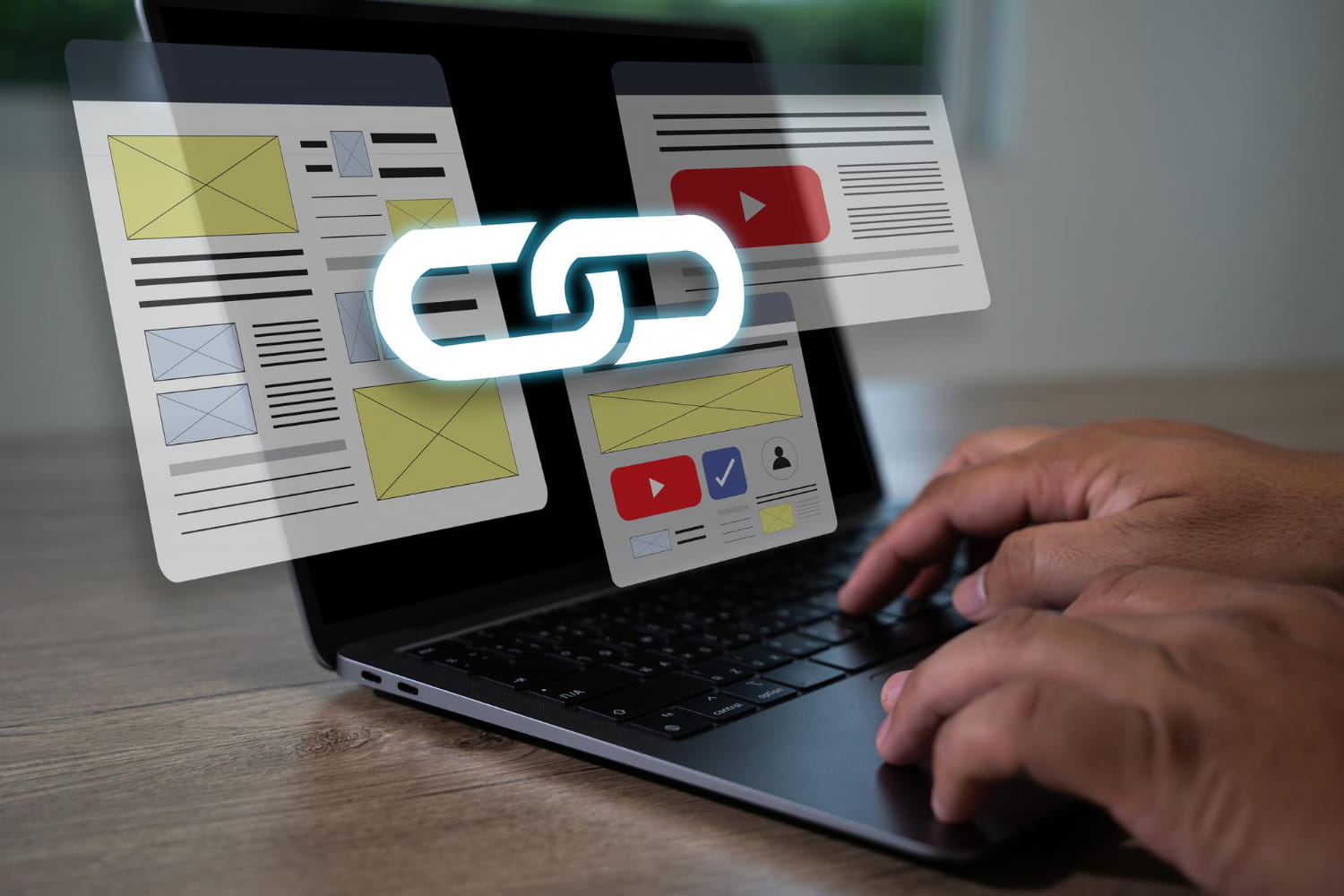
Top-performing websites use internal linking strategically to guide both users and search engines. With a logical site structure, it’s easier to distribute link equity across pages and ensure important content is easy to find. This approach improves indexation and increases the likelihood of ranking for multiple related keywords. So rather than random links, leading sites build topic clusters where supporting content reinforces a central pillar page. This strengthens topical relevance and positions the website as an authority in its niche.
How Does Data and Continuous Optimization Drive Organic Traffic Growth?
It would be nice to sit back and let the algorithm do its thing. Unfortunately, organic traffic growth is rarely that hands-off. Top-ranking websites monitor performance closely using analytics, search console data, and behavioral insights. They track which pages convert, where users drop off, and how rankings fluctuate over time. Having this data allows you to make informed updates, expand content intentionally, and address technical improvements before small issues become bigger problems. Rather than waiting for rankings to drop, high-performing sites use these insights to optimize proactively, staying one step ahead of competitors who only respond once traffic has already declined.
What Can Your Business Learn From Top-Ranking Sites?
The common thread among high-performing websites is consistency. They invest in SEO as a long-term strategy, align content with real user needs thus maintaining technical excellence. Organic traffic growth is not about shortcuts, it is about building a digital presence that search engines and users can trust.
Our role is to help businesses apply these solid strategies in a way that fits your goals, industry, and growth stage. Whether you are looking to improve rankings, increase qualified traffic, or strengthen your online authority, the right SEO framework makes all the difference. We can help you do just this at Witthaya Digital. If you are ready to move beyond to build sustainable organic traffic growth, get in touch with us where you can learn how our team will support your next stage of growth.